
Ever found yourself staring at a rack of baby back ribs, wondering how long to grill them to perfection? You’re not alone. Many grill enthusiasts face the same dilemma, eager to impress friends and family but unsure of the timing.
Key Takeaways
- Grilling Time: Grill baby back ribs on a gas grill for approximately 2.5 to 3 hours at a temperature between 225°F and 250°F for optimal tenderness.
- Internal Temperature: Aim for an internal temperature of 190°F to 203°F to ensure the ribs are tender and juicy before serving.
- Indirect Grilling Technique: Use indirect grilling for even cooking; place ribs away from the heat source rather than directly over it.
- Seasoning and Basting: Apply a flavorful dry rub before grilling and baste with barbecue sauce during the final cooking phase to enhance taste.
- Resting Period: Let the ribs rest for 10 to 15 minutes after grilling to retain moisture and enhance flavor before cutting.
Understanding Baby Back Ribs
Baby back ribs are a popular cut of pork known for their tenderness and rich flavor. These ribs come from the back of the pig, specifically the section between the spine and the spare ribs.
What Are Baby Back Ribs?
Baby back ribs are smaller and leaner than spare ribs, typically measuring about 3 to 6 inches in length. They’re called “baby” because they are shorter than spare ribs, not because they come from young pigs. This cut features a smooth layer of meat on one side and a curved bone structure, which adds to their appeal. The meat has a rich flavor that pairs well with various spices and barbecue sauces.
Nutritional Information
Baby back ribs provide essential nutrients but are also high in fat and calories. Here’s a breakdown of common nutritional values per 3-ounce serving:
| Nutrient | Amount |
|---|---|
| Calories | 250 |
| Total Fat | 20g |
| Saturated Fat | 8g |
| Protein | 20g |
| Carbohydrates | 0g |
| Sodium | 70mg |
| Iron | 3% of Daily Value |
While baby back ribs can fit into a balanced diet, moderation is key. Consider pairing them with healthy sides like grilled vegetables or a fresh salad to create a well-rounded meal. Adjusting cooking methods and sauces can further reduce fat content.
Preparing to Grill Baby Back Ribs
Grilling baby back ribs requires careful preparation to ensure delicious results. Focus on selecting the right ribs and gathering essential tools and ingredients.
Recommended Products

Fast & Accurate: Get precise readings in just 1 second with ±0.9°F accuracy. NSF Certified for trusted food safety, this digital food thermometer features a 4.3 inches food-grade stainless steel meat probe, perfect for grilling, frying, baking, making candy and more

Instant Read Food Thermometer | Our instant read thermometer features a temperature probe and advanced, highly accurate technology with 1-2 seconds response time; Instructions, meat temperature chart, comes pre-calibrated for your convenience, and recalibrating feature if needed.
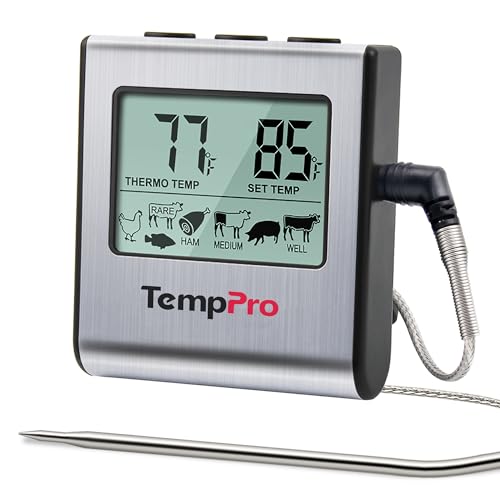
Cook mode with USDA preset temperature settings: TempPro cooking thermometer ideal for meat, oven, smoker or stove top; Programmable alert with preset temperatures for specific foods recommended by USDA; All of the preset temps can be reset to your desired tastes
Selecting the Right Ribs
Choose high-quality baby back ribs for the best flavor and tenderness. Look for ribs with a thin layer of fat and minimal membrane on the back. Purchase ribs that weigh between 2 to 3 pounds for optimal grilling. Fresh ribs typically taste better than frozen ones, so buy from a local butcher or grocery store known for quality meat. If you can, opt for ribs labeled “natural” or “organic” to avoid added hormones and antibiotics.
Essential Tools and Ingredients
Equip yourself with necessary tools and ingredients for grilling baby back ribs:
- Gas Grill: A reliable gas grill allows for temperature control and even cooking.
- Meat Thermometer: Use a digital meat thermometer to check internal temperatures accurately.
- Aluminum Foil: Foil helps retain moisture, especially during the cooking process.
- Basting Brush: A basting brush lets you apply sauces evenly.
- Dry Rub: Create a flavorful dry rub using a mix of brown sugar, paprika, salt, pepper, and garlic powder.
- Barbecue Sauce: Select a favorite barbecue sauce for added flavor during the final grilling stage.
Gather all these items ahead of time, ensuring you’re fully prepared for a successful grilling experience.
Grilling Techniques
Grilling baby back ribs requires a solid understanding of techniques to achieve tender and flavorful results. Using the right method makes all the difference.
Direct Grilling vs. Indirect Grilling
Direct grilling involves placing the ribs directly over the heat source. This method is fast but can lead to overcooking or burning the exterior. For baby back ribs, direct grilling is typically not recommended due to their lean meat. Instead, use indirect grilling. This technique means positioning the ribs away from the heat source, allowing them to cook slowly and evenly. Indirect grilling creates tender, juicy ribs by cooking them at lower temperatures for a longer time.
Recommended Grill Temperature
Aim for a grill temperature between 225°F and 250°F when grilling baby back ribs. This low and slow approach ensures even cooking and helps break down the connective tissues in the ribs. Use a digital meat thermometer to monitor the internal temperature of the meat. When the ribs reach an internal temperature of 190°F to 203°F, they are tender and ready for serving. Check the temperature frequently to avoid overcooking and drying out the ribs.
By mastering these grilling techniques, you set yourself up for success in achieving perfectly cooked baby back ribs.
How Long to Grill Baby Back Ribs on Gas Grill
Grilling baby back ribs on a gas grill typically takes about 2.5 to 3 hours. This time frame allows the ribs to develop flavor and achieve optimal tenderness.
Recommended Products

The 2 3/8" large face of the temperature gauge makes it easy to read and classify the temperature of your food. The Stem is 2 7/8"
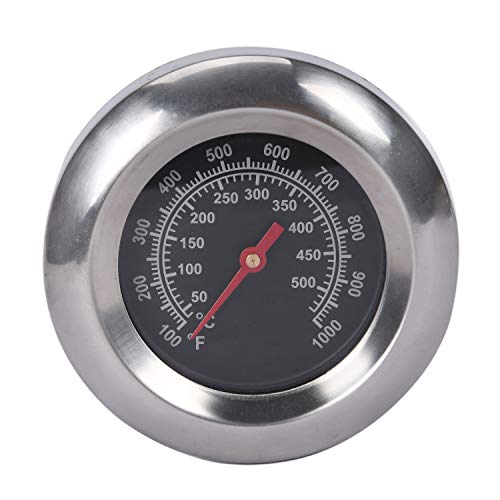
Wide temperature range: 100 F-1000 F/ 50 ℃- 500 ℃(Accurate Readings). Dimensions: 3" face, 2" stem, M10 nut (0.39" strew), Please check the dimensions of your grill before you order

Stainless Steel Body
Timing Guidelines
- Preheat the Grill: Start by preheating your gas grill to a temperature between 225°F and 250°F.
- Initial Cooking: Place the ribs on the grill, bone side down, and cook undisturbed for the first hour.
- Wrapping Process: After one hour, wrap the ribs in aluminum foil to retain moisture and continue cooking for another hour and a half.
- Finishing Touch: Unwrap the ribs, apply your favorite barbecue sauce, and grill for an additional 15 to 30 minutes. This step caramelizes the sauce, enhancing flavor.
Importance of Internal Temperature
The internal temperature of the ribs is crucial for achieving tender, juicy results.
- Target Temperature: Use a digital meat thermometer to check for an internal temperature between 190°F and 203°F.
- Texture Check: When reaching this temperature range, the meat begins to pull away from the bones, indicating it’s ready to serve.
Monitoring both grilling time and internal temperature ensures you enjoy perfectly cooked baby back ribs that impress everyone at your gathering.
Tips for Perfectly Grilled Ribs
When grilling baby back ribs, several factors contribute to achieving that perfect taste and tenderness.
Basting and Seasoning
Seasoning enhances the flavor of ribs. Apply a dry rub before grilling, consisting of brown sugar, paprika, garlic powder, onion powder, salt, and pepper. For best results, apply the rub at least 30 minutes prior to grilling; this allows the flavors to penetrate the meat. During the last 30 minutes of cooking, baste the ribs with your favorite barbecue sauce, using a basting brush to coat them evenly. This step caramelizes the sauce, adding both flavor and a shiny finish.
Resting the Ribs
Resting the ribs after grilling retains moisture and enhances flavor. Let the ribs rest for 10 to 15 minutes before cutting them. Cover them loosely with aluminum foil during this resting period to keep the heat in. This step prevents the juices from running out when you slice into the meat, ensuring each bite remains juicy and tender.
Conclusion
Grilling baby back ribs can be a rewarding experience when you know what to do. With the right techniques and timing you’ll create tender and flavorful ribs that everyone will love. Remember to keep an eye on the temperature and give those ribs some time to rest after grilling.
Don’t forget to enjoy the process and have fun experimenting with different rubs and sauces. Whether it’s a family gathering or a backyard barbecue your perfectly grilled ribs are sure to steal the show. So fire up that gas grill and get ready to impress your guests with your newfound grilling skills!
Frequently Asked Questions
How long should I grill baby back ribs?
Grilling baby back ribs typically takes about 2.5 to 3 hours on a gas grill. It’s best to cook them indirectly, maintaining a grill temperature between 225°F and 250°F for tender results.
What are baby back ribs?
Baby back ribs are a popular cut of pork known for their tenderness and flavor. They are smaller and leaner than spare ribs, measuring around 3 to 6 inches, with a smooth layer of meat and a curved bone structure.
What tools do I need to grill baby back ribs?
Essential tools include a gas grill for temperature control, a digital meat thermometer for accurate checks, aluminum foil to retain moisture, a basting brush for sauce application, and a flavorful dry rub or barbecue sauce.
What is the best way to prepare baby back ribs?
Choose high-quality ribs with minimal fat and membrane, ideally weighing between 2 to 3 pounds. Apply a dry rub at least 30 minutes before grilling for better flavor and ensure you have all grilling tools and ingredients ready.
How can I ensure my ribs are tender?
Use indirect grilling at a temperature of 225°F to 250°F, and aim for an internal temperature of 190°F to 203°F. Wrapping the ribs in aluminum foil after the first hour helps retain moisture, contributing to tenderness.
Should I baste my baby back ribs?
Yes, basting your ribs with barbecue sauce during the last 30 minutes of grilling adds flavor and creates a shiny finish, enhancing the overall taste.
Why is resting important after grilling ribs?
Allowing ribs to rest for 10 to 15 minutes covered loosely with aluminum foil helps retain moisture. This ensures that each bite is juicy and tender when served.
